

Student Engagement Through Play

“I hate Spanish, but I love your class.”
Teaching high school comes with its own unique challenges. Unfortunately, not all students will share the same passion and interest in our subject matter. How do we keep students engaged in the learning process?
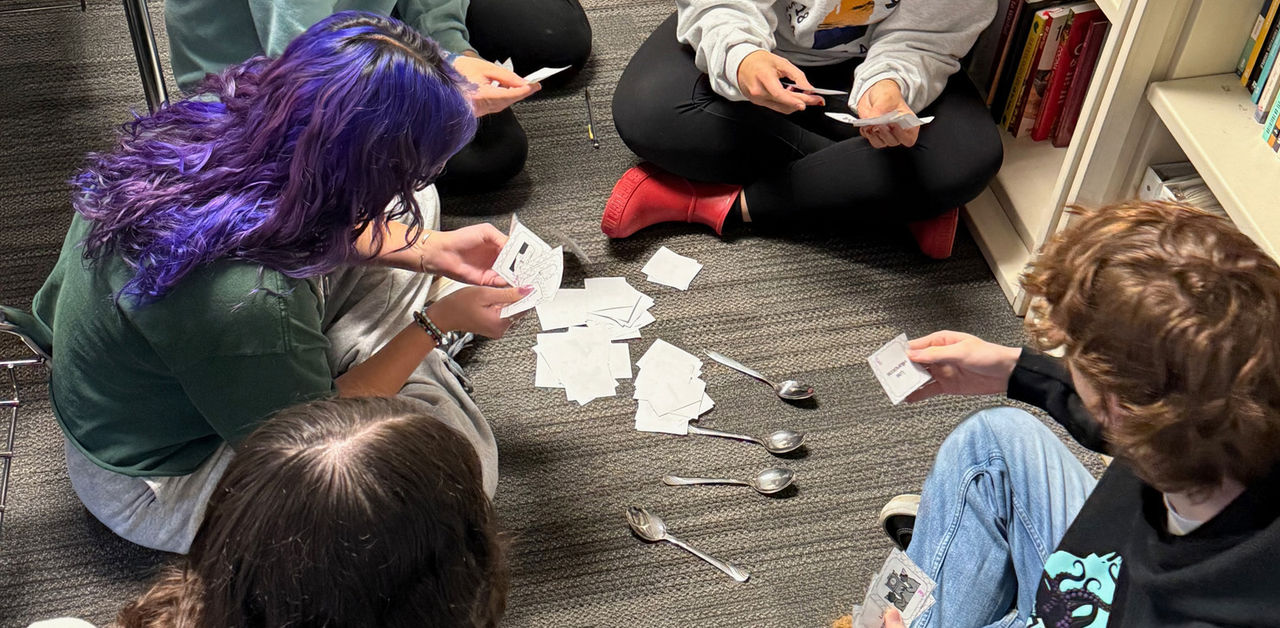
One approach that has transformed my classroom is play. Games are not just fun; they spark active participation, build community and help students retain content far better than worksheets or lectures alone.
In my class, games provide a lively way to review vocabulary and grammar. They encourage teamwork and communication, and allow students to participate equally. Games give students a chance to be leaders and engage with the content. They offer space for proficient students to explain concepts differently, providing additional assistance to peers who may be struggling.
Why Play Works
Games shift the class dynamic from teacher-led instruction to student-centered learning. I am able to take on a coaching role, observing, supporting and encouraging, while students take ownership of their learning.
Varying group structures during the week allows students time and space to engage with content while interacting with peers. Students who may not typically work together are suddenly collaborating, laughing and taking academic risks. This leads to a more inclusive classroom community.
The Power of Chance
Chance is an essential component to all the games played; this element keeps all students motivated to participate. The power of chance is important for students who may struggle, as it is a great equalizer. All students (no matter their level of content knowledge) need to be able to win.
I always design games so that I, as a teacher, can lose. Rolling dice to determine points to a question, drawing a card or spinning a digital wheel all offer unpredictability. These elements mean that no two games are the same and keep students’ attention and focus.
When students do not know how the game will unfold, they are more engaged. It is rewarding to see the joy of an unexpected win or the groans of frustration if bad luck strikes.
Differentiation Through Games
Games allow for differentiation and can meet students at their learning level. For example, a teacher can differentiate by choosing levels of questions with different colors of cards. Instead of just answering a question, students may need to provide an example or an explanation. Students may say a vocabulary word or spell it to be able to move. Games allow students to get a lot of repetition and practice without being boring, and meet them at their learning level.
Try These Low-Prep Game Ideas
While I love using classic games in small groups, I also like using technology for whole-class games, such as Gimkit, Blooket or Quizalize. These digital games allow teachers to examine a lot of data to formatively assess how well their students are doing on a topic. I’ve found that my students can answer around 1,500 vocabulary or grammar questions in seven minutes. These games give students immediate feedback and practice on the topic.
Here are a few ideas to try in your classroom:
- Use Candy Land board games and assign different tasks for the colored squares; the element of chance is the character cards.
- Use a Chutes & Ladders game and create a question for each numbered square; the element of unpredictability is the ladder or chute.
- “Bet” Sentence Challenge: Create 10 sentences (place some with common errors). Students will work in pairs and “bet” whether the statement is correct or fix the error. Students will bet 1-10 points on each sentence and win or lose those points. Click here for an example and make a copy.
Final Thoughts
While the subject you teach may not be your students’ favorite, you can make an impact and have the students look forward to your class. When you incorporate games, engagement increases, confidence grows and learning becomes fun.
Take a chance! When games are part of your class, everybody wins.
Becky Manore is a Spanish teacher at Grand Ledge High School in Grand Ledge Public Schools.